
Starch Processing Enzymes
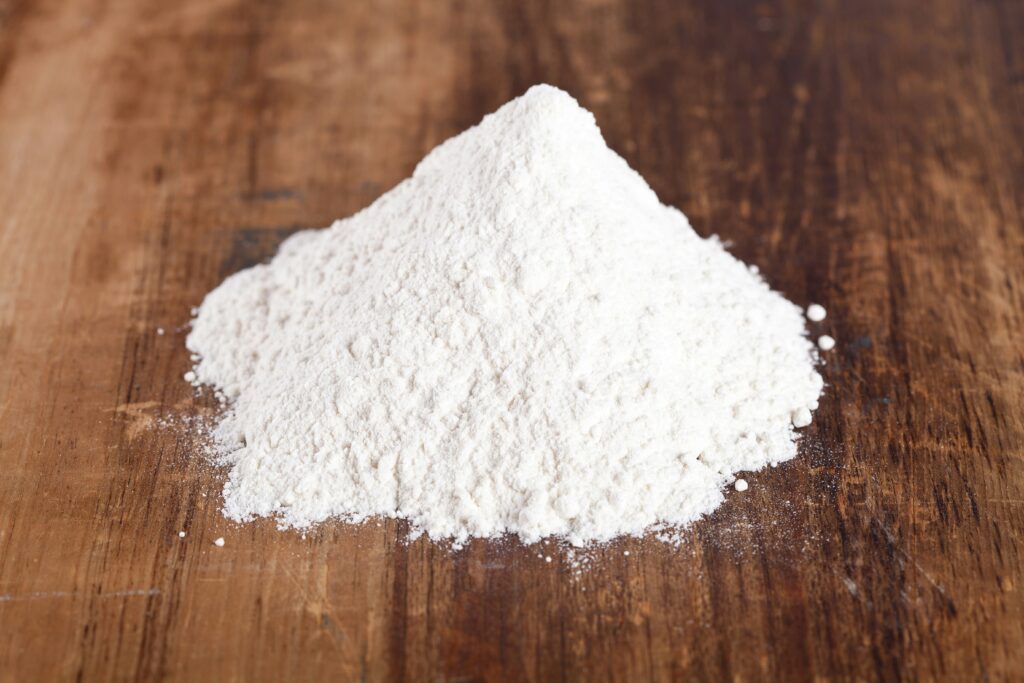
Starch Processing Enzymes for Syrups & Derivatives
Efficient liquefaction, saccharification, and conversion for starch industries
Starch processing industries require enzymes that efficiently convert starch into syrups, sugars, and derivatives. Alpha-amylase, glucoamylase, pullulanase, beta-amylase, and multi-enzyme blends enable high-conversion, high-purity processes.
Catalex Bio delivers tailored enzyme solutions for starch liquefaction, saccharification, and syrup production, ensuring high yield, consistent conversion performance and stable processing across diverse raw materials.
Key Benefits
- Increased glucose or maltose yield
- Consistent viscosity and process control
- Reduced process time and energy costs
- High-quality syrup output
- Improved conversion efficiency across varying starch sources and processing conditions
Application of STARCH PROCESSING ENZYMES
- Liquefaction: Alpha-amylase breaks down starch into shorter chains. Enables smoother slurry handling and prepares substrate for efficient saccharification.
- Saccharification: Glucoamylase converts dextrins into glucose efficiently; Beta-amylase can be used for high-maltose syrup production. Supports production of glucose syrups, HFCS and specialty sweeteners.
- Debranching: Pullulanase enhances sugar yield in high-maltose syrups. Improves debranching efficiency for cleaner, higher-concentration syrup profiles.
- Multi-Enzyme Blends: Optimize complete starch conversion using combination of enzymes. Tailored blends ensure optimal performance across liquefaction, saccharification and final syrup polishing stages.
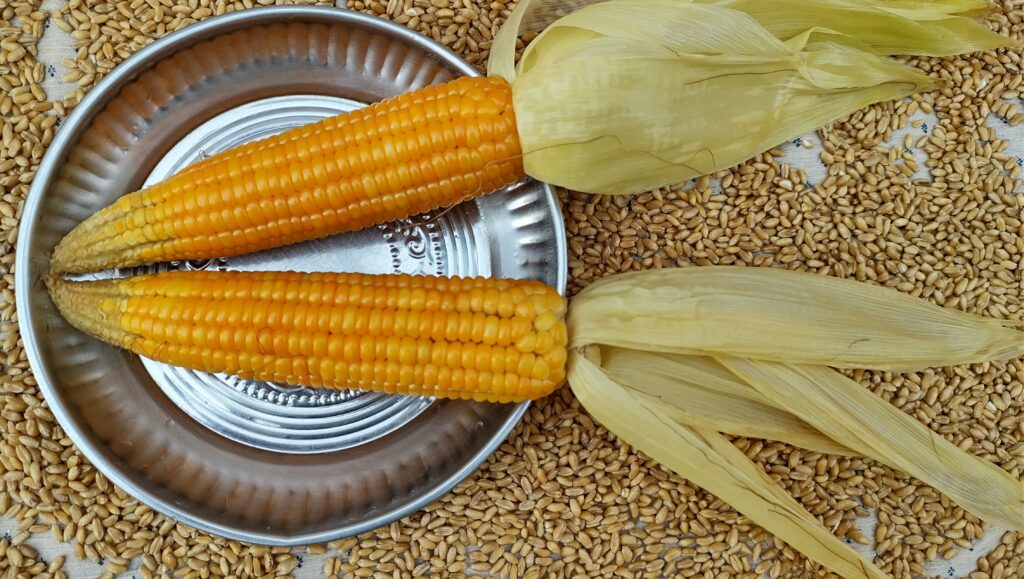
OUR PRODUCTS
- Alpha-Amylase
- Glucoamylase
- Pullulanase
- Beta-Amylase
- Multi-Enzyme Blends
Contact us for enzyme recommendations, custom blends, technical support or pricing. Our starch processing enzymes come in customizable activity levels for sweetener plants, glucose syrup producers, ethanol distilleries and starch conversion facilities.
COA, MSDS, TDS and sample support provided — request a quote today.
Frequently Asked Questions About Starch Processing Enzymes
What enzymes are commonly used in starch processing?
Common starch processing enzymes include alpha-amylase, glucoamylase, pullulanase, and beta-amylase, each used at different stages of starch conversion, including liquefaction, saccharification, debranching, and syrup production.
What enzyme is used for starch liquefaction?
Alpha-amylase is primarily used for starch liquefaction to break down starch into shorter-chain dextrins and reduce viscosity. High-temperature thermostable alpha-amylase is also available for liquefaction processes operating at elevated temperatures.
What enzyme is used to convert starch into glucose?
Glucoamylase is used during saccharification to convert liquefied starch and dextrins into glucose. It is commonly used for glucose syrup, dextrose, and other starch-derived sweetener production.
Which enzyme is used for maltose syrup production?
Beta-amylase is commonly used to produce maltose-rich syrup from starch. Pullulanase can be used alongside beta-amylase to improve debranching and support more efficient starch conversion.
What is the role of pullulanase in starch processing?
Pullulanase is a debranching enzyme that breaks down branched starch structures, helping improve conversion efficiency. It can be used with beta-amylase or glucoamylase to support glucose or maltose syrup production.
How do I select the right starch processing enzyme for my application?
The right starch processing enzyme depends on the starch source, processing stage, operating conditions, target product, and desired conversion results. Share your starch and processing requirements with Catalex Bio, and we can recommend a suitable enzyme or enzyme combination for evaluation.