
Aquaculture Enzymes
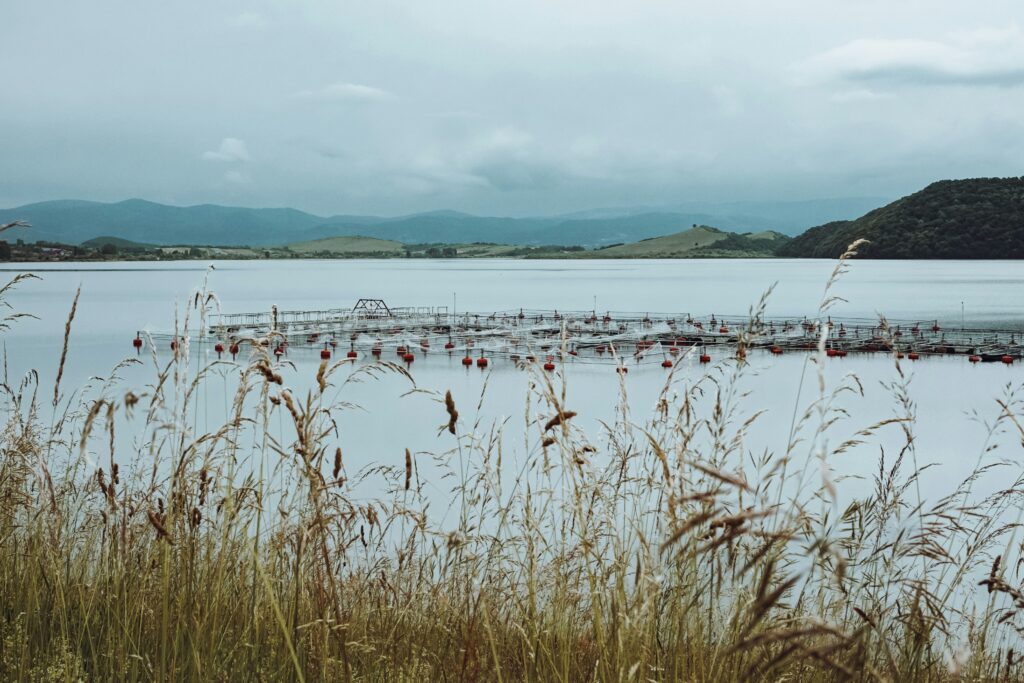
Aquaculture Enzymes for Fish & Shrimp Feed AND Pond Cleanliness
Enhancing Feed Efficiency, Water Quality & Pond Management
Aquaculture operations require enzymes that improve feed digestibility, nutrient absorption, and reduce environmental impact. Protease, amylase, lipase, phytase, and multi-enzyme blends support fish and shrimp diets — including Litopenaeus vannamei (vannamei shrimp), carp, tilapia and catfish — for optimal growth and contribute to cleaner pond ecosystems.
Catalex Bio provides aquaculture enzyme solutions for feeds and water treatment, ensuring consistent animal performance and sustainable operations.
Key Benefits
- Enhanced feed conversion ratio
- Improved growth and health of aquatic species
- Reduced environmental phosphorus load
- Cleaner ponds and reduced odors
- Consistent feed performance
Dosage flexibility for different feed formulations
High thermo-stability for pelleted and extruded aquafeeds
Application of AQUACULTURE ENZYMES
- Protein Digestion: Protease improves amino acid availability
- Starch & Lipid Breakdown: Amylase and Lipase enhance energy utilization
- Phytate Hydrolysis: Phytase releases bound phosphorus, reducing waste
- Pond Management & Odor Reduction: Multi-enzyme blends rapidly degrade organic bottom solids, minimizing odors and improving water quality
- Gut Health Support: Multi-Probiotic Blends support beneficial microbial balance and overall gut health in aquaculture species
- Feed Digestibility Optimization: Multi-enzyme blends enhance nutrient absorption across aquatic species
- Heat-Stable Performance: Thermo-stable enzyme options maintain activity during feed pelleting and extrusion
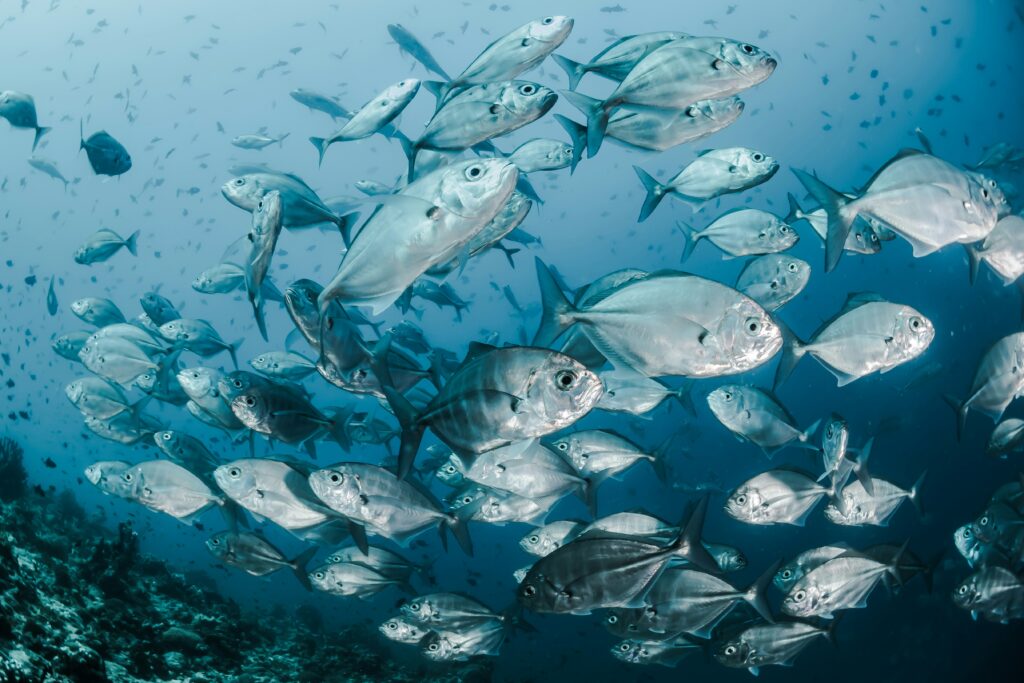
OUR PRODUCTS
- Phytase
- Protease
- Amylase
- Lipase
- Multi-Enzyme Blends
- Multi-Probiotic Blends
Contact us for enzyme recommendations, custom blends, technical support or pricing. Our aquaculture enzymes come in customizable activity levels and different packing sizes for feed mills, hatcheries and shrimp farms.
COA, MSDS, TDS and sample support provided — Request a quote today.
Frequently Asked Questions About Aquaculture Enzymes
What enzymes are commonly used in aquaculture feed?
Common aquaculture feed enzymes include phytase, protease, amylase, lipase, and multi-enzyme blends. They support protein digestion, phosphorus utilization, energy release, and nutrient utilization in formulated feeds for fish and shrimp.
Are enzyme requirements different for shrimp and fish feed?
YShrimp and fish have different digestive physiology, feed formulations, and nutritional requirements, so enzyme selection may differ. Shrimp feeds often place greater emphasis on protein utilization, phytate/phosphorus management, and plant-protein ingredients, while fish-feed requirements vary with species, feeding habits, and the proportion of plant and cereal ingredients.
Why are enzymes important in plant-based aquaculture feeds?
As aquafeeds increasingly incorporate soybean meal, plant proteins, cereals, and other alternative ingredients, enzymes can help address limitations in nutrient availability. Protease, phytase, amylase, lipase, and multi-enzyme blends can improve utilization of proteins, phytate, starch, fats, and other feed components.
Can phytase reduce phosphorus discharge from aquaculture systems?
Yes. Phytase releases phosphorus bound in phytate, improving phosphorus utilization by fish and shrimp and reducing the amount of unused phosphorus excreted into the culture system. This can support both feed efficiency and environmental management.
Can aquaculture enzymes improve FCR and growth performance?
Yes. By improving the digestion and utilization of nutrients, appropriate enzyme supplementation can support better FCR, nutrient efficiency, growth, and feed utilization. The response depends on species, feed formulation, enzyme activity, dosage, and farming conditions.
Are aquaculture feed enzymes stable during pelleting and extrusion?
Yes. Thermostable enzyme grades can be selected for pelleted and extruded aquafeeds. Suitable grades can maintain over 85% activity after processing around 80–90°C, depending on the enzyme and processing conditions.
Can enzymes be used for pond management and water quality?
Yes. Multi-enzyme blends can be applied to help degrade organic bottom solids and other organic matter, supporting odor reduction and improved pond water quality. The application depends on pond conditions and organic load.
What is the difference between a multi-enzyme blend and a multi-probiotic blend in aquaculture?
Multi-enzyme blends primarily improve feed digestion and nutrient utilization, while multi-probiotic blends are intended to support beneficial microbial balance and gut health. Depending on the production objective, they may be used separately or as complementary solutions.