
Leather Industry Enzymes
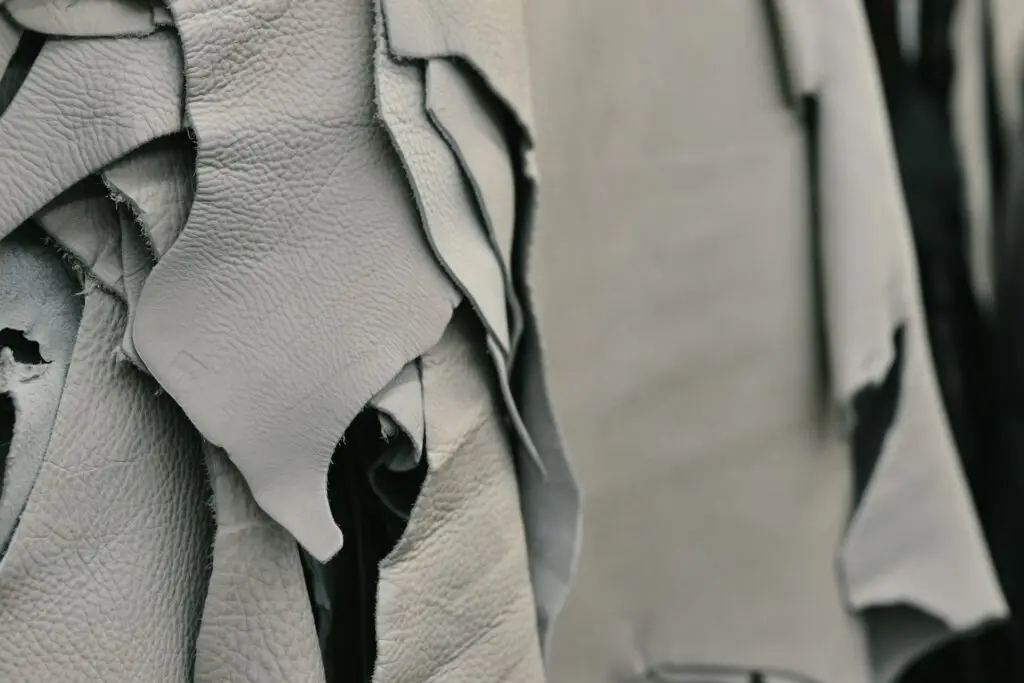
Leather Enzymes for Tanning & Processing
Enzymatic solutions Optimizing Bating, Unhairing & Processing
Key Benefits
Leather processing requires specialized enzymes for soaking, dehairing, degreasing, and bating to prepare hides and skins for efficient tanning. Protease, keratinase, lipase, and stage-specific enzyme formulations help remove unwanted proteins and fats, improve fiber opening, and enhance hide quality and uniformity. These enzymatic solutions can also help reduce chemical load during early-stage leather processing.
Catalex Bio provides leather enzyme solutions for soaking, dehairing, degreasing, and bating, helping modern tanneries achieve consistent leather properties, improved process efficiency, and reduced chemical usage across multiple hide types.
- Improved hide softness and uniformity
- Reduced chemical usage and environmental impact
- Enhanced tanning efficiency and processing speed
- Better penetration of tanning agents due to superior fiber opening
- Consistent leather quality across batches
Application of ENYZMES in Leather Industry
- Soaking: Protease-based soaking enzymes help rehydrate hides and skins while removing dirt, blood, soluble proteins, and other impurities. They improve fiber opening and prepare the material for efficient downstream liming and processing.
- Dehairing: Protease and keratinase-based enzyme formulations help break down hair-associated proteins and support efficient hair removal. Enzymatic dehairing can reduce reliance on high sulfide levels and support cleaner processing.
- Degreasing:Lipase-based degreasing enzymes assist in breaking down and removing natural fats and oils. This improves the uniformity of subsequent tanning, dyeing, and finishing operations.
- Bating: Acid bate and alkaline bate enzymes selectively modify non-structural proteins and improve fiber opening. This helps produce softer, more pliable leather with improved grain appearance and a uniform feel.
OUR PRODUCTS
- Alkali Bate Enzymes
- Acid Bate Enzymes
- Degreasing Enzymes
- Soaking Enzymes
- Dehairing Enzymes
- Keratinase
Contact us for enzyme recommendations, custom blends, technical support or pricing. Our leather enzymes come in customizable activity levels for tanneries, leather processors, wet-blue manufacturers and sustainable leather production units.
COA, MSDS, TDS and sample support provided — request a quote today.
Frequently Asked Questions About Leather Enzymes
What enzymes are used in leather processing?
Common leather processing enzymes include protease, lipase, and keratinase. Different enzyme formulations are used for specific stages such as soaking, dehairing, degreasing, and bating.
What enzyme is used for soaking hides and skins?
Protease-based soaking enzymes are commonly used to help rehydrate hides and skins and remove blood, dirt, soluble proteins, and other impurities. They also help prepare the hide structure for subsequent liming and processing.
What is the difference between alkaline bate and acid bate enzymes?
Alkaline bate enzymes are used under alkaline processing conditions, while acid bate enzymes are designed for acidic conditions. The appropriate bate depends on the tanning process, hide type, and desired leather properties.
What enzymes are used for leather dehairing?
Protease and keratinase-based enzyme formulations can be used for dehairing. Keratinase helps break down keratin-containing hair structures, while proteolytic enzymes support the breakdown of hair-associated proteins and tissue components.
How do enzymatic dehairing processes help reduce chemical usage?
Enzymatic dehairing can reduce dependence on conventional chemical treatments, including high sulfide levels. This can help lower the chemical load and support cleaner wastewater management, depending on the process and enzyme formulation.
What is lipase used for in leather degreasing?
Lipase helps break down natural fats and oils present in hides and skins. This supports more effective degreasing and can improve the uniformity of subsequent tanning, dyeing, and finishing operations.
How do I select the right enzyme for my leather processing application?
The appropriate enzyme depends on the processing stage, hide or skin type, operating pH and temperature, existing chemicals, and desired leather properties. Share your process requirements with Catalex Bio, and we can recommend a suitable enzyme for evaluation.