
Distillery Enzyme Manufacturers in India
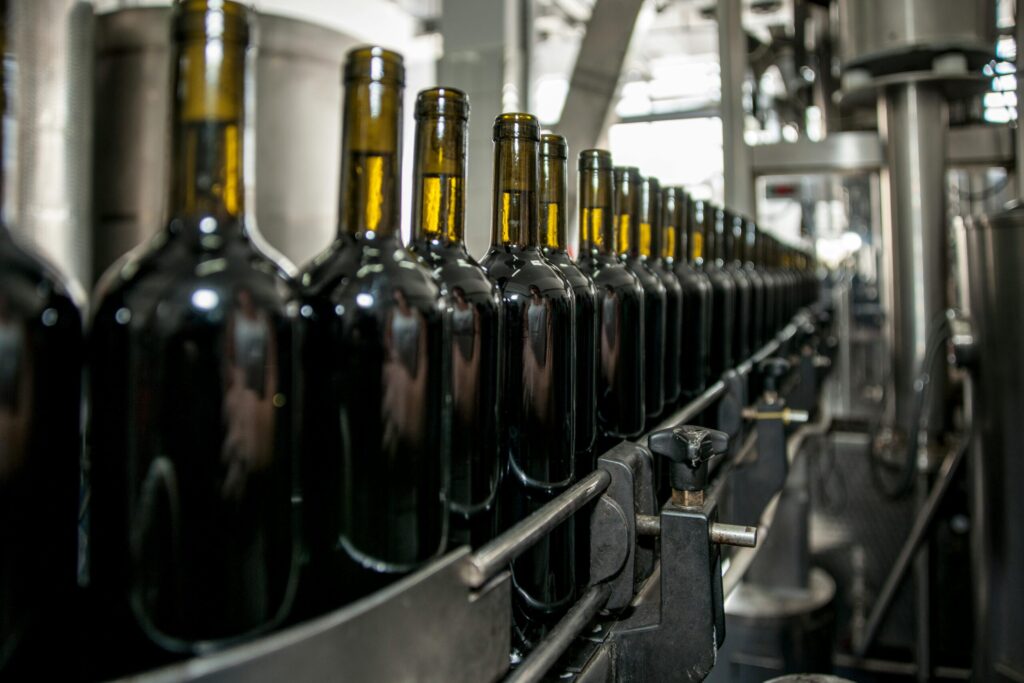
Distillery Enzymes for Alcohol, Fuel Ethanol & IMFL Production
Best Enzyme Solutions for Liquefaction, Saccharification & Fermentation Efficiency
Distilleries today rely on precise enzyme systems to increase alcohol yield, unlock fermentable sugars, improve yeast performance, and maintain stable fermentation across a range of feedstocks. Enzymes such as α-amylase, glucoamylase, pullulanase, protease, β-glucanase and multi-enzyme blends drive efficient starch conversion and consistent fermentation in grain (rice, maize, wheat, sorghum, barley, broken rice), tubers (cassava, tapioca), and molasses-based distillation.
Catalex Bio’s distillery enzyme portfolio supports grain distilleries, molasses distilleries, fuel ethanol plants, and IMFL units, delivering higher alcohol recovery, lower residual sugars, reduced fermentation time, and improved plant efficienc
Key Benefits
Higher alcohol yield and improved starch-to-sugar conversion
Faster fermentation with improved yeast growth and vitality
Lower viscosity for smooth slurry handling and efficient agitation
Fermentation boosters for molasses to enhance fermentable sugar availability
Better control of bacterial contamination and organic acid formation
Reduced residual starch and sugar losses
Cleaner fermentations with less foam, sediment and by-products
Consistent performance across variable feedstock quality
Lower energy usage in liquefaction and fermentation
Application of DISTILLERY ENZYMES
- Liquefaction (Slurry Cooking): Alpha-amylase reduces mash viscosity, prevents thickening, and prepares starch for efficient conversion—supporting stable operations and lower steam demand.
- Saccharification: Glucoamylase converts liquefied dextrins into fermentable glucose, maximizing alcohol yield and reducing residual sugar across grain-based distilleries.
- Debranching: Pullulanase improves conversion of branched starch structures, increasing glucose output and supporting high-gravity, high-yield processes.
- Fermentation Optimization: Protease enhances yeast nutrition by releasing amino nitrogen, while Beta-glucanase reduces viscosity and improves fermenter stability—leading to faster, cleaner and more efficient fermentations.
- Molasses-Based Distillation: Custom Multi-Enzyme Blends increase fermentable sugar availability, lower impurities, reduce bacterial proliferation, and improve fermentation rate and alcohol yield in cane molasses and juice-based distilleries.
OUR PRODUCTS
- Alpha-Amylase (Thermostable / High-Temperature)
- Glucoamylase (Broad pH Range / High-Conversion)
- Pullulanase (Debranching Enzyme)
- Protease (Yeast Nutrition Enhancer)
- Beta-Glucanase (Viscosity Reducer)
- Multi-Enzyme Blends for Grain Distilleries
- Multi-Enzyme Blends for Molasses Distilleries
Contact us for enzyme recommendations, custom blends, technical support or pricing. Our distillery enzymes come in customizable activity levels for grain distilleries, molasses distilleries, ethanol plants and IMFL manufacturers.
COA, MSDS, TDS and sample support provided — request a quote today.
Frequently Asked Questions About Distillery Enzymes
What enzymes are used in grain and molasses-based distilleries?
Grain distilleries commonly use alpha-amylase, glucoamylase, pullulanase, protease, and beta-glucanase, while molasses-based distilleries may use invertase, protease, and specialized fermentation enzyme blends to improve sugar utilization and fermentation efficiency.
What is high-temperature alpha-amylase used for in distilleries?
High-temperature thermostable alpha-amylase is used for starch liquefaction at elevated temperatures, typically around 85–105°C, helping reduce mash viscosity and efficiently convert starch into dextrins.
What are the typical pH and temperature conditions for distillery enzymes?
Typical conditions vary by enzyme. Alpha-amylase for liquefaction generally operates around pH 5.5–6.5 and 85–105°C, while glucoamylase is commonly used around pH 4.0–4.5 and 50–65°C. Final conditions depend on the specific enzyme grade and process.
How do glucoamylase and pullulanase improve ethanol production?
Glucoamylase converts dextrins into fermentable glucose, while pullulanase breaks down branched starch structures to improve conversion. Together, they can increase fermentable sugar availability and reduce residual starch and sugar.
Can distillery enzymes improve alcohol yield from different grain feedstocks?
Yes. Enzyme solutions can be selected for maize, rice, wheat, sorghum, barley, and broken rice to improve starch conversion, fermentable sugar availability, and alcohol recovery. The enzyme combination depends on the feedstock composition and plant process conditions.
How does enzyme dosage affect distillery performance?
Optimized enzyme dosage helps achieve efficient starch conversion and fermentable sugar release without unnecessary enzyme consumption. The required dosage depends on the enzyme activity, feedstock, process conditions, and target conversion
How do I select the right distillery enzyme for my process?
The right enzyme depends on the feedstock, processing temperature and pH, starch or sugar content, fermentation process, and target alcohol yield. Share your feedstock and process requirements with Catalex Bio, and we can recommend a suitable enzyme or enzyme blend for evaluation.