
Poultry Feed Enzymes
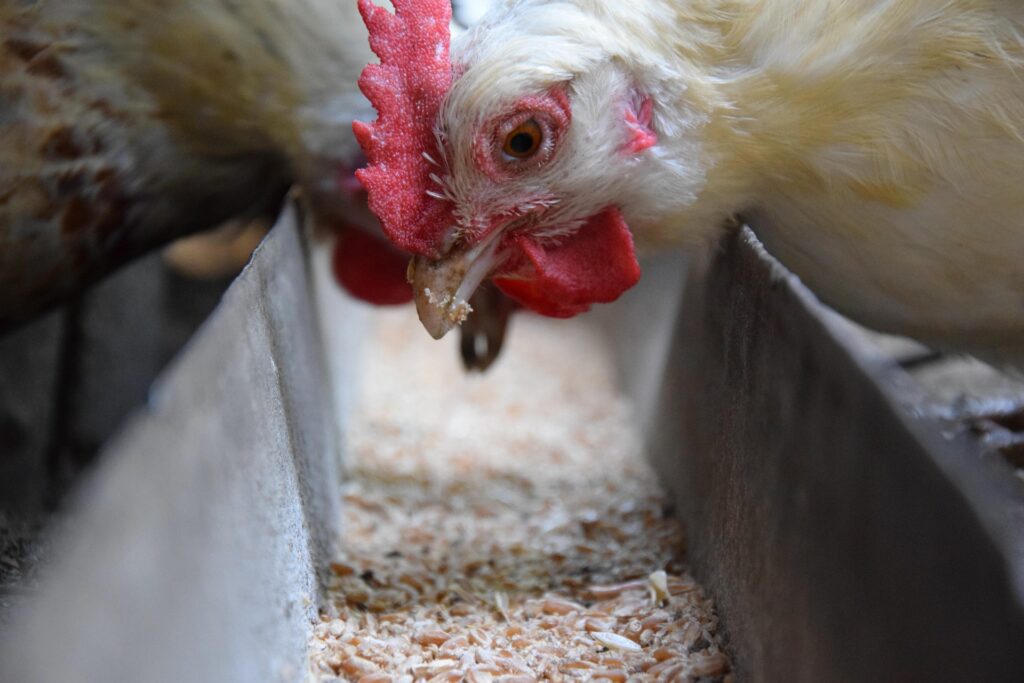
Poultry Feed Enzymes for Broilers & Layers
Improving Feed Digestibility, FCR & Nutrient Utilization
Poultry feed enzymes help improve nutrient digestibility, energy utilization and feed efficiency across broiler, layer and breeder diets. Phytase, xylanase, beta-glucanase, protease, mannanase, amylase and lipase, feed probiotics, and multi-enzyme blends help release nutrients, reduce anti-nutritional effects and improve utilization of nutrients from cereal and plant-based feed ingredients.
Catalex Bio manufactures and provides poultry feed enzyme solutions for feed mills, integrators and poultry nutrition programs, with enzyme grades selected according to feed composition, processing conditions and nutritional requirements.
Key Benefits
- Improved feed conversion ratio and growth rates
- Enhanced nutrient digestibility and energy utilization
- Supports gut microbiome and immune health
- Reduced anti-nutritional effects in feed ingredients
- Consistent flock performance across seasons and diets
- Supports stable FCR performance across different raw materials and seasonal variations
Application of POULTRY FEED ENZYMES
- Phytate & Mineral Utilization: Phytase releases phosphorus bound in phytate, improving phosphorus availability and supporting more efficient mineral utilization.
- NSP & Fiber Management: Xylanase and beta-glucanase break down non-starch polysaccharides, helping reduce intestinal viscosity and improve nutrient absorption.
- Protein Digestibility: Protease improves protein breakdown and amino acid availability from feed ingredients.
- Mannan & Anti-Nutritional Factor Management: Mannanase helps break down mannan present in plant-based feed ingredients and supports improved nutrient utilization.
- Energy & Nutrient Utilization: Amylase and lipase support digestion of starch and fats, helping improve energy availability.
- Multi-Enzyme & Multi-Probiotic Solutions: Multi-enzyme blends and multi-probiotic blends provide broader support for nutrient utilization, feed efficiency and gut health.
OUR PRODUCTS
- Phytase
- Xylanase
- Beta-Glucanase
- Mannanase
- Protease
- Amylase
- Lipase
- Feed Probiotics
- Multi-Enzyme Blends
Contact us for enzyme recommendations, custom blends, technical support or pricing. Our poultry feed enzymes come in customizable activity levels for feed mills, integrators, breeder farms and commercial poultry nutrition programs.
COA, MSDS, TDS and sample support provided — request a quote today.
Frequently Asked Questions About Poultry Feed Enzymes
What enzymes are commonly used in poultry feed?
Common poultry feed enzymes include phytase, xylanase, beta-glucanase, protease, mannanase, amylase, and lipase. They help improve phosphorus availability, NSP breakdown, protein digestibility, energy utilization, and feed efficiency.
How much can phytase improve FCR in broilers?
Phytase supplementation can improve broiler feed conversion ratio (FCR) by around 2–5%, depending on the diet, phytate level, phytase dosage, and production conditions. It can also improve phosphorus bioavailability and reduce phosphorus excretion.
What is the typical phytase dosage in poultry feed?
Phytase supplementation can improve broiler feed conversion ratio (FCR) by around 2–5%, depending on the diet, phytate level, enzyme dosage, and production conditions. It can also increase phosphorus bioavailability by around 25–40%, helping improve mineral utilization, reduce inorganic phosphorus supplementation, and lower phosphorus excretion. At commercial production scale, these improvements can translate into meaningful feed-cost savings and improved overall production economics.
How do xylanase and beta-glucanase improve poultry feed performance?
Xylanase and beta-glucanase break down non-starch polysaccharides (NSPs) in cereal-based diets, helping reduce intestinal viscosity and improve nutrient and energy utilization, particularly in wheat- and barley-based feeds.
Can poultry feed enzymes withstand pelleting temperatures?
Yes. Thermostable feed enzyme grades can be formulated for pelleted feeds and can maintain over 85% activity after pelleting at around 80–90°C, depending on the enzyme grade and processing conditions.
What is the role of protease in poultry feed?
Protease helps break down feed proteins and improve amino acid digestibility. It can be particularly useful in diets containing soybean meal and other plant protein sources, supporting better protein utilization and feed efficiency.
What is the difference between multi-enzyme and multi-probiotic blends for poultry feed?
The right solution depends on the feed ingredients, phytate and NSP levels, protein sources, processing conditions, and nutritional objectives. Catalex Bio can recommend an individual enzyme, multi-enzyme blend, or multi-probiotic blend based on your feed formulation and application requirements.
How do I select the right poultry feed enzyme or blend?
The right solution depends on the feed ingredients, phytate and NSP levels, protein sources, processing conditions, and nutritional objectives. Catalex Bio can recommend an individual enzyme, multi-enzyme blend, or multi-probiotic blend based on your feed formulation and application requirements.