
Cosmetic Enzymes
Cosmetic Enzymes for Skincare & Beauty Formulations
Natural actives for exfoliation, anti-aging, and clean-label cosmetic products
Cosmetic and dermatology products use enzymes to improve skin appearance, texture, and active ingredient delivery. Bromelain, papain, keratinase, and catalase support exfoliation, controlled keratin breakdown, skin renewal, and specialty cosmetic treatments, enabling smoother, softer skin while enhancing the performance and bioavailability of selected active ingredients.
Catalex Bio provides enzyme solutions for skincare, haircare, and personal care formulations, supporting high efficacy, formulation stability, and a consistent user experience across creams, serums, masks, cleansers, and specialty treatments.
Key Benefits
- Smoother, softer, and more radiant skin
- Enhanced efficacy of active cosmetic ingredients
- Supports acne reduction and diminishes scars/pigmentation
- Consistent performance across formulations and batches
- Safe, plant-based, and consumer-friendly solutions.
- Improves penetration of peptides, actives and botanical extracts for superior results
Application of ENZYMES in cosmetic industry
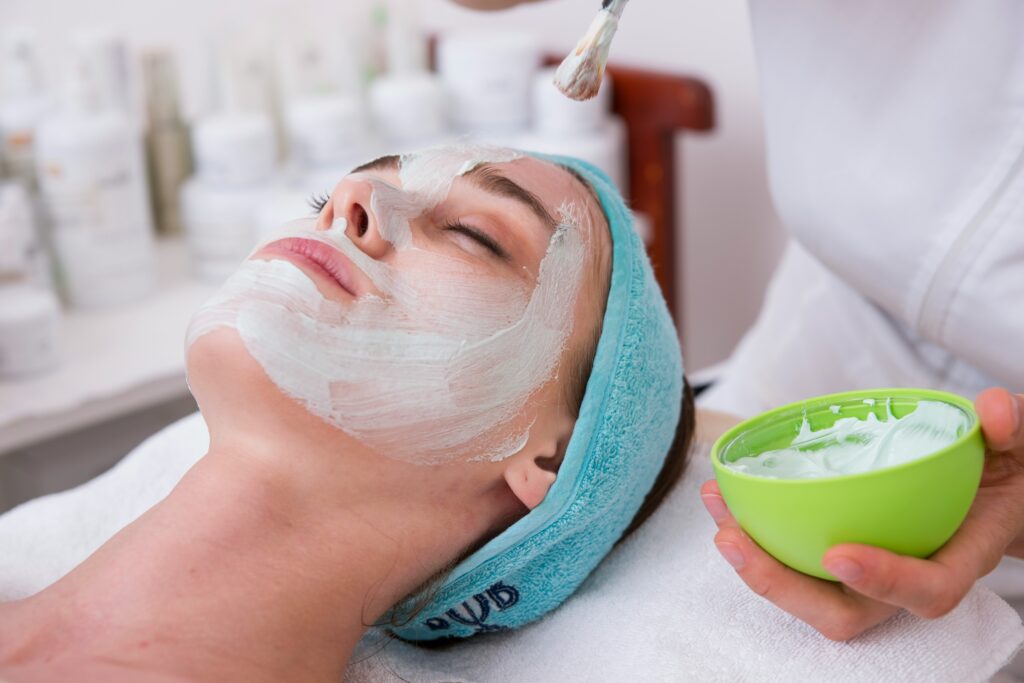
- Exfoliation & Dead Skin Cell Removal: Bromelain, Papain, and Keratinase gently break down keratin and protein bonds in the stratum corneum for smoother, softer skin
- Acne, Scar & Pigmentation Management: Proteolytic enzymes assist in reducing skin irregularities and improving overall appearance
- Cellular Oxygenation & Aesthetics: Catalase is used in mask treatments with hydrogen peroxide to increase oxygenation in the upper epidermal layers, promoting skin vitality
- Active Ingredient Delivery: Enzymes improve bioavailability of peptides, proteins, and actives in creams, serums, and lotions
OUR PRODUCTS
- Bromelain
- Papain
- Keratinase
- Catalase
Contact us for enzyme recommendations, custom blends, technical support or pricing. Our cosmetic enzymes come in customizable activity levels for skincare brands, personal care manufacturers, cosmetic formulators and haircare product developers.
COA, MSDS, TDS and sample support provided — request a quote today.
Frequently Asked Questions About Cosmetic Enzymes
Which enzymes are commonly used in skincare and cosmetic formulations?
Bromelain, papain, keratinase, and catalase are used for different cosmetic applications. Bromelain and papain are commonly used for enzymatic exfoliation, keratinase supports controlled breakdown of keratinized material, and catalase is used in selected cosmetic treatment processes. The appropriate enzyme depends on the intended application and formulation requirements.
What is the difference between bromelain, papain, and keratinase for cosmetic formulations?
Bromelain and papain are proteolytic enzymes commonly used for gentle enzymatic exfoliation and skin-surface renewal. Keratinase has a more specific action on keratin-containing material and may be selected for formulations requiring controlled keratin breakdown. The choice depends on the desired cosmetic effect, product format, and formulation conditions.
How can cosmetic enzymes support the performance of other active ingredients?
Enzymatic exfoliation and skin-surface renewal can support the bioavailability and delivery of selected peptides, proteins, botanical extracts, and other cosmetic actives. The overall effect depends on the enzyme, activity level, formulation, and other ingredients used in the final product.
What pH range is suitable for cosmetic enzyme formulations?
Most proteolytic cosmetic enzymes perform best in a slightly acidic to neutral pH range. Bromelain is commonly formulated around pH 4.5–6.0, while papain generally has a broader working range of approximately pH 5.0–8.0. The final formulation pH should balance enzyme activity and stability with the requirements of the finished cosmetic product. Preservatives, surfactants, processing temperature, and shelf-life conditions should also be evaluated for compatibility.
Can cosmetic enzymes be used in natural and clean-label formulations?
Yes. Enzymes can be incorporated into natural, plant-based, and clean-label cosmetic formulations, depending on the source of the enzyme and the overall formulation requirements. They can help formulators develop enzyme-based exfoliating masks, cleansers, and skincare treatments as an alternative or complement to conventional mechanical or chemical exfoliation systems.
What is the MOQ for cosmetic-grade enzymes, and what documentation is available?
Our standard MOQ is 25 kg. Cosmetic enzymes can be supplied in suitable HDPE packaging, with product-specific COA, MSDS, and TDS available. Where required for cosmetic product development, additional information such as INCI naming, allergen declaration, and stability test data can be discussed based on the specific enzyme and application.
What information should I provide when requesting a cosmetic enzyme recommendation or quote?
Please share the intended application, product format, formulation conditions, target enzyme activity or dosage, and approximate quantity required. This helps us recommend a suitable enzyme and provide relevant technical and commercial information.