
Immobilized Glucose Isomerase Enzyme Manufacturer & Supplier
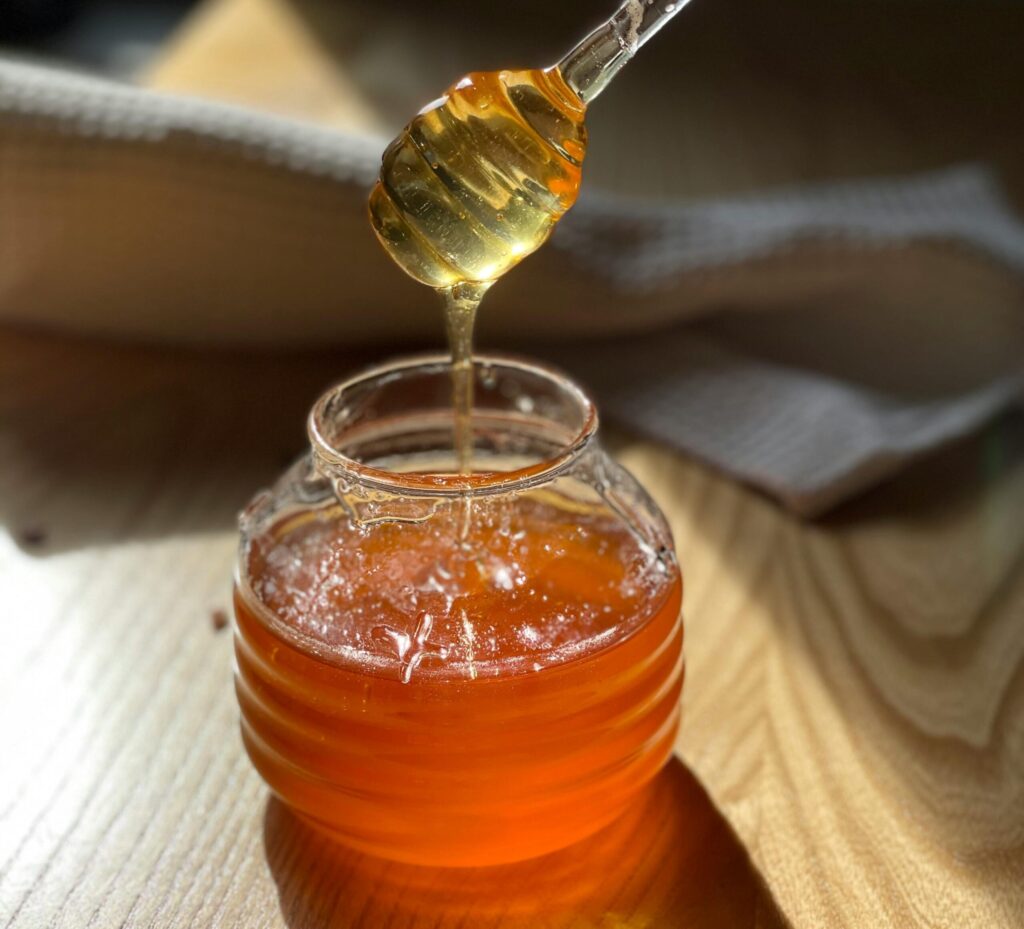
Immobilized Glucose Isomerase Enzyme for High-Fructose Syrup Production and Industrial Sugar Processing
Catalex Bio is a glucose isomerase enzyme manufacturer and supplier providing immobilized glucose isomerase enzymes for high-fructose corn syrup (HFCS) production and industrial starch processing. Our high-performance enzyme systems support continuous fructose syrup production used in beverage, food, and sweetener manufacturing.
Glucose isomerase is a key industrial enzyme used to convert glucose into fructose during the production of high-fructose corn syrup (HFCS) and other fructose-based sweeteners. The enzyme catalyzes the reversible isomerization of glucose into fructose, enabling efficient sweetener production widely used in beverages, processed foods, and industrial fermentation systems.
In modern starch processing facilities, glucose isomerase is typically used in immobilized enzyme reactors, where the enzyme is fixed on a solid support to allow continuous operation, improved enzyme stability, and higher productivity.
Key Benefits
- Efficient enzymatic conversion of glucose to fructose in HFCS production
- Designed for continuous reactor operation in industrial syrup manufacturing
- High operational stability and extended enzyme lifetime
- Consistent fructose yield and controlled conversion efficiency
- Suitable for large-scale starch and sugar processing plants
- Reliable batch-to-batch enzyme performance for industrial operations
Applications of Glucose Isomerase Enzyme in the Starch & Sugar Industry
High-Fructose Corn Syrup (HFCS) Production:
Glucose isomerase catalyzes the conversion of glucose syrup into fructose, a critical step in the production of high-fructose corn syrup widely used in beverages, confectionery, and processed foods.
Fructose Syrup Manufacturing:
The enzyme enables controlled glucose-to-fructose conversion, allowing manufacturers to produce syrups with desired sweetness profiles for industrial sweetener applications.
Industrial Starch Processing:
Following liquefaction and saccharification, glucose isomerase enables the final isomerization step in starch processing, supporting efficient sweetener and fermentation substrate production.
Food & Beverage Sweetener Production:
Fructose-containing syrups produced using glucose isomerase are used across beverage, dairy, bakery, and processed food formulations requiring stable and cost-efficient sweeteners.

Immobilized Glucose Isomerase Enzyme
- Industrial immobilized enzyme systems for HFCS production
- Designed for continuous isomerization reactors
- Supplied in immobilized granules form
- Bulk supply for commercial and industrial users
- Batch-wise Certificate of Analysis (COA)
- MSDS / SDS and Technical Data Sheet (TDS)
- Export-ready documentation support
- Technical assistance for process integration and enzyme optimization
Contact our technical team for glucose isomerase enzyme specifications, application guidance, or pricing support.
Our glucose isomerase enzyme is available in both immobilized (granules) and powder form for starch processors, syrup manufacturers, and industrial sweetener producers.
COA, MSDS, TDS and sample support provided.
Frequently Asked Questions (FAQ) About Immobilized Glucose Isomerase Enzyme
What is glucose isomerase enzyme used for?
Glucose isomerase converts glucose into fructose and is primarily used in high-fructose corn syrup (HFCS) and industrial fructose syrup production.
Why is glucose isomerase immobilized for HFCS production?
Immobilization allows the enzyme to be retained in a reactor for continuous operation, providing consistent conversion, operational stability, and extended enzyme use.
How does immobilized glucose isomerase work in HFCS production?
After starch is converted into glucose syrup through liquefaction and saccharification, immobilized glucose isomerase converts part of the glucose into fructose in a continuous isomerization reactor.
What is high-fructose corn syrup and what is it used for?
HFCS is a glucose-fructose syrup produced by enzymatic conversion of glucose using glucose isomerase. It is widely used as a sweetener in beverages, processed foods, bakery products, confectionery, dairy products, and other food applications.
What are the advantages of immobilized glucose isomerase?
Key advantages include continuous processing, consistent glucose-to-fructose conversion, operational stability, and extended enzyme use, making it suitable for large-scale syrup production.
What is the difference between immobilized and free glucose isomerase?
Immobilized glucose isomerase is fixed onto a solid support and used in a reactor, while free enzyme is present directly in the processing liquid. Immobilization is particularly suited to continuous industrial syrup production.
How can I source immobilized glucose isomerase from Catalex Bio?
Catalex Bio supplies glucose isomerase to HFCS manufacturers, starch processors, syrup producers, and industrial sweetener manufacturers. Contact our team with your process requirements, capacity, and application for enzyme recommendations, samples, pricing, and technical documentation.