
Textile Industry Enzymes
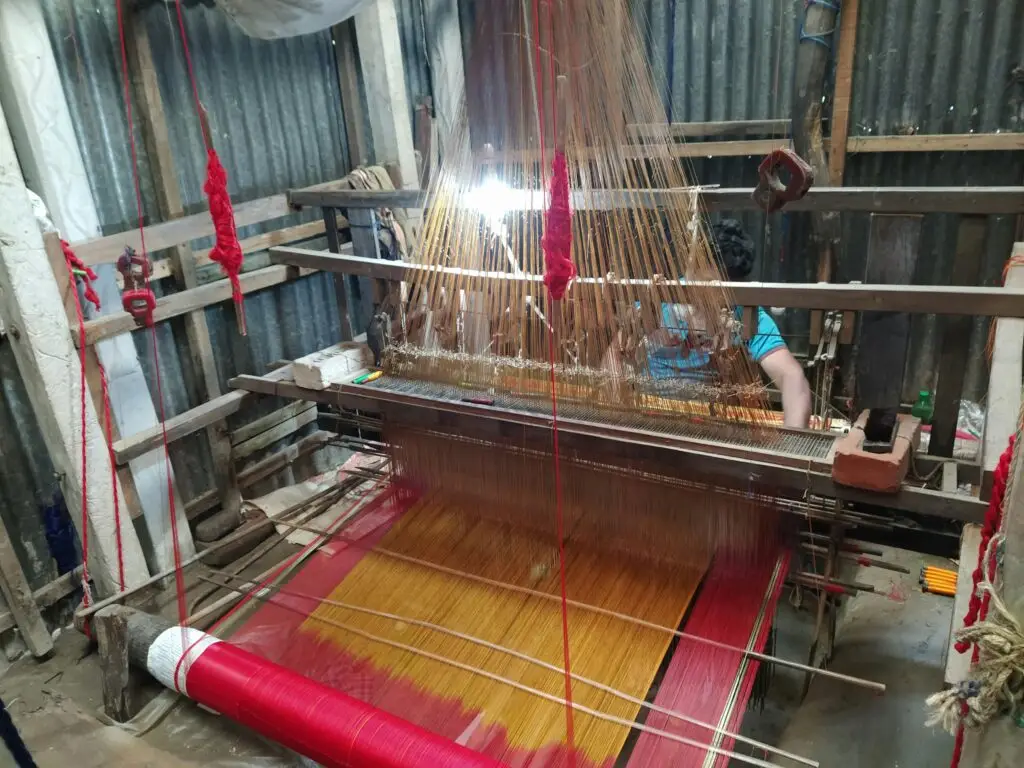
Textile Enzymes for Fabric Processing
Enzymatic desizing, bio-polishing, and eco-friendly textile finishing solution
Key Benefits
Textile production benefits from enzymes that improve fiber processing, surface finish, and dye uptake while reducing chemical usage. Cellulase, pectinase, lipase, amylase, catalase, laccase, and multi-enzyme blends support scouring, bio-polishing, bleaching, and finishing processes. These enzymes enhance operational efficiency across spinning, weaving, knitting and dyeing units, enabling cleaner processing with lower chemical load and better fabric performance.
Catalex Bio provides textile enzyme solutions that enhance fabric quality, improve process efficiency, and enable environmentally sustainable operations for textile mills, dye houses, garment processors and finishing units.
- Enhanced fabric texture, softness, and appearance
- Reduced water and chemical consumption
- Improved dye uptake, color consistency, and bio-bleaching efficiency
- Better pilling resistance, smoother hand-feel and improved absorbency for high-quality fabrics
- Environmentally sustainable and energy-efficient processing
Application of ENZYMES in Textile Industry
- Scouring: Pectinase and Lipase remove natural impurities, waxes, and fats. Improves wetting, absorbency and prepares fabric for uniform dyeing.
- Bio-Polishing: Cellulase smoothens cotton fibers for improved softness, sheen, and pilling resistance. Ideal for knitwear, premium cotton, and garment finishing.
- Starch Removal: Alpha-amylase aids in desizing for efficient dyeing, improving color penetration and reducing patchy dyeing issues. Mid-temperature and high-temperature alpha-amylases are available for different textile processing conditions.
- Bleaching & Hydrogen Peroxide Decomposition: Catalase decomposes residual hydrogen peroxide post-bleaching. Saves water, reduces rinsing steps and enables faster dyeing cycles.
- Lignin Degradation & Dyeing Efficiency: Laccase breaks down lignin, improves dye uptake, and supports bio-bleaching. Suitable for denim finishing, eco-bleaching and oxidative dye applications.
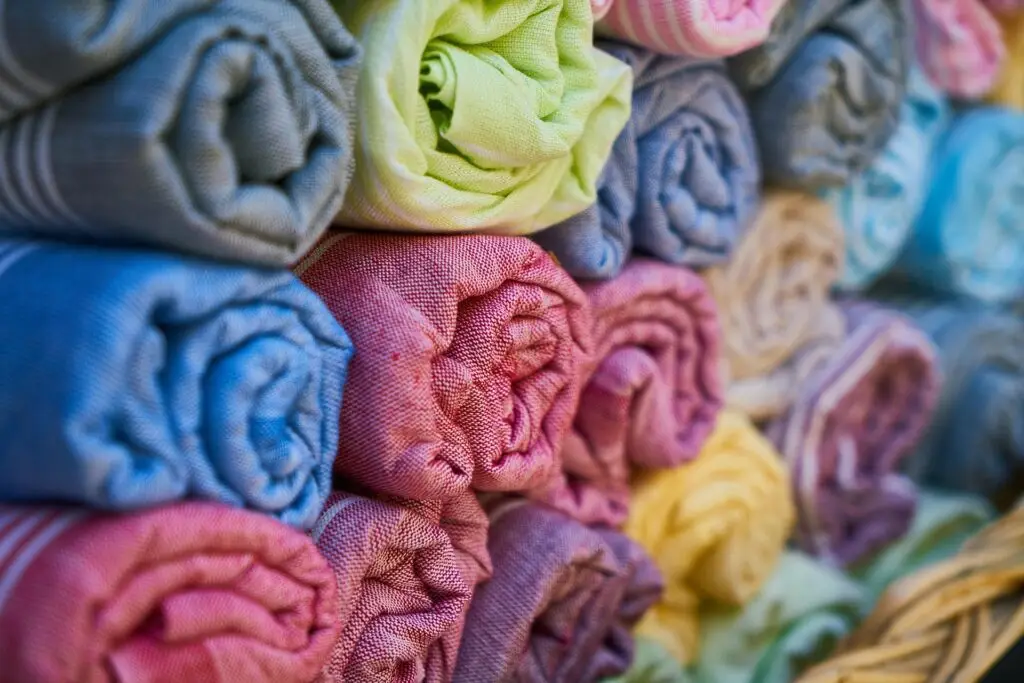
OUR PRODUCTS
- Catalase
- Acid Cellulase
- Neutral Cellulase
- High-Temprature Alpha-amylase
- Mid-Temprature Alpha-amylase
- Pectinase
- Laccase
Contact us for enzyme recommendations, custom blends, technical support or pricing. Our textile enzymes come in customizable activity levels for textile mills, garment processors, dye houses and fabric finishing units.
COA, MSDS, TDS and sample support provided — request a quote today.
Frequently Asked Questions About Textile Enzymes
What enzymes are used in textile processing?
Common textile enzymes include amylase, neutral cellulase, acid celllulase, pectinase, lipase, catalase, and laccase. They are used for applications such as desizing, bioscouring, bio-polishing, bleaching, peroxide removal, and textile finishing.
What enzyme is used for desizing in textiles?
Amylase is primarily used for enzymatic desizing to break down starch-based sizing agents from woven fabrics. This helps improve fabric absorbency and prepares the material for subsequent dyeing and finishing processes.
What is the difference between neutral and acidic cellulase in textile processing?
Neutral cellulase is mainly used for bio-polishing and surface improvement, helping improve fabric smoothness, softness, lustre, and pilling resistance with minimal impact on fabric shade. Acid cellulase is primarily used for denim finishing, stone washing, and controlled fading, including vintage, worn-look, and high-contrast denim effects. The choice depends on the fabric and desired finishing effect.
How does catalase help in textile bleaching?
Catalase breaks down residual hydrogen peroxide into water and oxygen after bleaching. This reduces the need for repeated rinsing and helps prepare the fabric for dyeing, supporting lower water consumption and shorter processing cycles.
What is enzymatic bioscouring in textile processing?
Enzymatic bioscouring uses enzymes such as pectinase and lipase to remove natural impurities, waxes, and fats from textile fibers. It improves wetting and absorbency while supporting a lower-chemical textile processing approach.
Can textile enzymes reduce water and chemical consumption?
Yes. Enzymatic textile processing can help reduce water, chemicals, and processing steps in applications such as bioscouring, desizing, bio-polishing, and hydrogen peroxide removal. The actual reduction depends on the fabric, process conditions, and enzyme application.
How do I select the right textile enzyme for my application?
The right textile enzyme depends on the fabric type, processing stage, sizing or impurities present, operating conditions, and desired finishing result. Share your fabric and processing requirements with Catalex Bio, and we can recommend a suitable enzyme or enzyme combination for evaluation.