Brewery Industry Enzymes
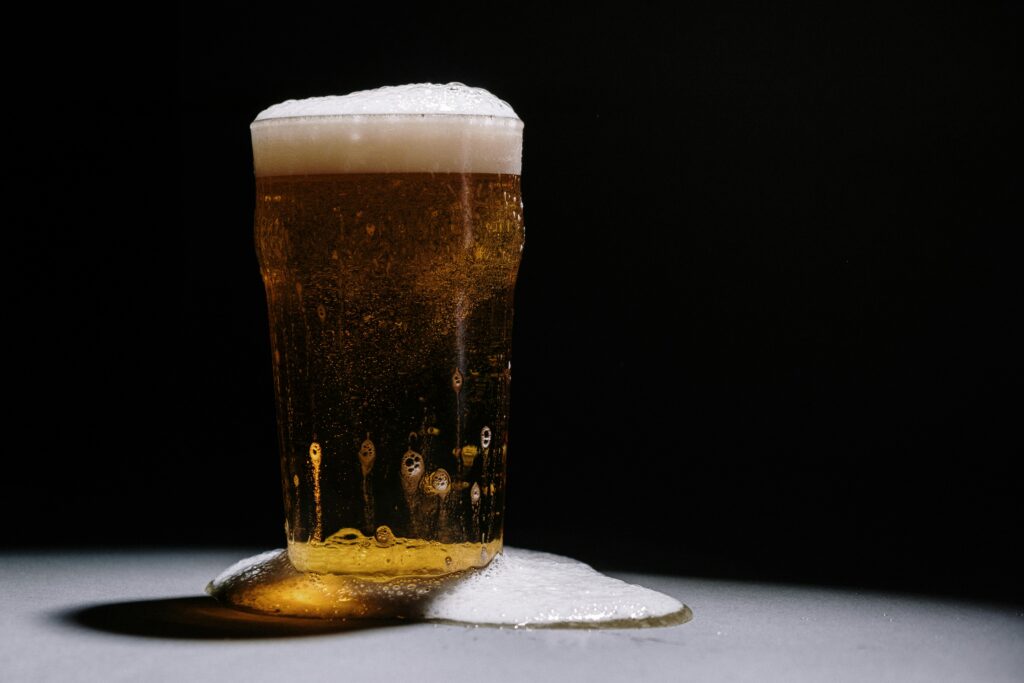
Brewery Enzymes for Beer & Alcohol Production
Advanced Enzyme Solutions for Mash Conversion, Filtration & Fermentation
Key Benefits
Modern breweries require precise enzyme applications to maximize extract yield, control fermentation profiles, and maintain clarity. Enzymes such as beta-glucanase, alpha-amylase, glucoamylase, protease, papain and alpha-acetolactate decarboxylase enhance mash conversion, improve wort filtration, and optimize attenuation.
Catalex Bio’s brewing enzyme solutions ensure consistent processing, stable fermentation and predictable flavor outcomes across lagers, ales, pilsners, wheat beers and high-gravity brews for breweries of all sizes.
- Improved extract yield and filtration efficiency
- Enhanced flavor consistency
- Reduced haze formation and sedimentation
- Optimized high-gravity brewing performance
Faster lautering and reduced mash stuck issues
Lower diacetyl formation and improved flavor stability
Application of Brewery ENZYMES
- Mash Conversion: Alpha-amylase liquefies starch into fermentable sugars for efficient fermentation.
- Viscosity Control: Beta-glucanase reduces wort viscosity for improved filtration.
- Protein Stabilization & Foam Control: Protease reduces haze formation and improves foam stability.
- High Gravity Brewing: Multi-enzyme blends optimize fermentation of high sugar worts.
- Diacetyl Reduction: Alpha-acetolactate decarboxylase converts precursors to reduce diacetyl off-flavors.
OUR PRODUCTS
- Beta-Glucanase
- Alpha-Amylase
- Glucoamylase
- Protease
- Papain
- Alpha-Acetolactate Decarboxylase
Contact us for enzyme recommendations, custom blends, technical support or pricing. Our brewing enzymes come in customizable activity levels for craft breweries, microbreweries and commercial breweries.
COA, MSDS, TDS and sample support provided — request a quote today.
Frequently Asked Questions About Brewery Enzymes
What enzymes are used in the brewing industry?
Common brewery enzymes include alpha-amylase, beta-glucanase, glucoamylase, protease, papain, and alpha-acetolactate decarboxylase (ALDC). They support mash conversion, viscosity control, fermentation, clarification, and beer quality.
How do brewery enzymes improve extract yield and wort filtration?
Alpha-amylase supports efficient starch conversion, while beta-glucanase helps reduce mash and wort viscosity. This can improve extract yield, lautering, wort filtration, and overall brewhouse efficiency.
Can brewery enzymes be used for adjunct and high-adjunct brewing?
Yes. Alpha-amylase and beta-glucanase can support brewing with rice, maize, wheat, sorghum, and other adjuncts, helping maintain extract yield, wort filtration, and fermentability when using alternative or under-modified raw materials.
What is the role of protease and papain in beer clarification?ansglutaminase used for in dairy products?
Protease and papain help break down haze-forming proteins, supporting improved beer clarity, filtration, and haze stability where protein-related haze is a concern.
How does ALDC help reduce diacetyl in beer?
Alpha-acetolactate decarboxylase (ALDC) converts alpha-acetolactate into compounds that do not form diacetyl, helping reduce diacetyl formation and shorten maturation time.
Can brewery enzymes be used for high-gravity and high-attenuation brewing?
Yes. Glucoamylase can increase fermentable sugar availability and support higher attenuation in high-gravity brewing, helping breweries achieve the desired alcohol level and fermentation performance.
How do I select the right brewery enzyme for my brewing process?
The right enzyme depends on the malt and adjunct composition, mash conditions, target extract and attenuation, filtration requirements, and desired beer characteristics. Share your brewing process and requirements with Catalex Bio, and we can recommend a suitable enzyme for evaluation.