
Bakery Enzymes Manufacturer & Supplier
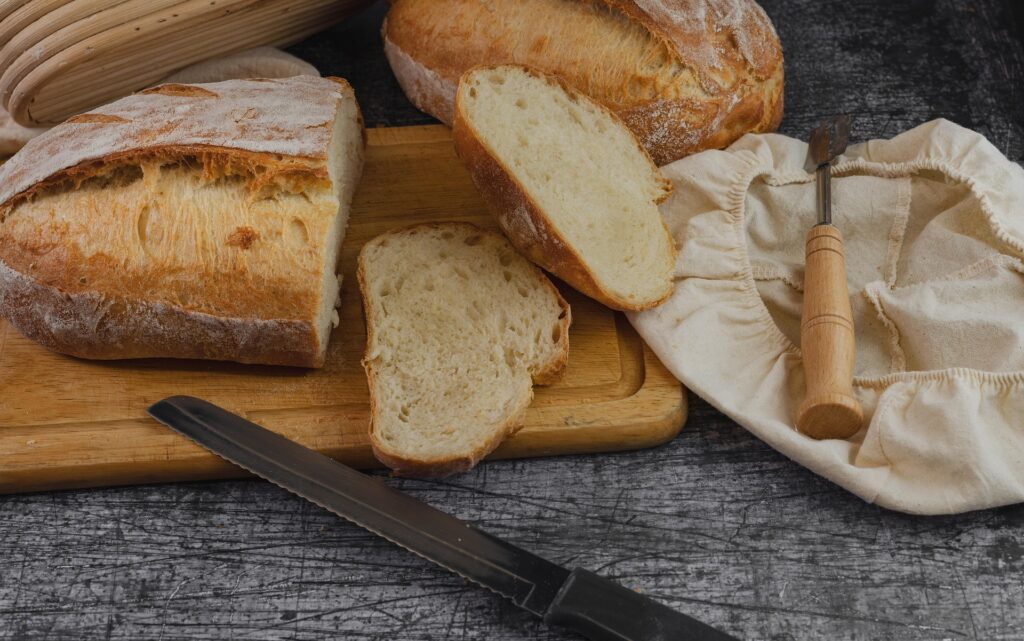
Bakery Enzymes for Bread, Biscuits, crackers & Dough Processing
High-performance enzymes that improve texture, volume, softness, and shelf-life in baked goods
Catalex Bio is a bakery enzymes manufacturer and supplier offering individual enzymes and customized multi-enzyme blends for industrial baking applications. Our bakery enzyme solutions are used in bread, biscuits, crackers, cakes, flatbreads, tortillas, and specialty baked products, supporting consistent performance in high-speed and large-scale bakery operations across industrial bakeries, biscuit and cracker manufacturers, flour mills, premix producers, and commercial baking operations.
Enzymes such as alpha-amylase, maltogenic amylase, xylanase, glucose oxidase, protease, lipase, hemicellulase, and glucoamylase help optimize dough performance across varying flour qualities, enabling uniform quality, extended freshness, and operational efficiency while reducing dependence on chemical dough improvers.
Key Benefits
- Improved dough handling and machinability
Consistent loaf volume and crumb structure
Extended softness and freshness during shelf life
Reduced reliance on chemical improvers
Better process tolerance across flour variability
Application of BAKERY ENZYMES in industrial baking
- Dough Conditioning & Machinability: Proteases relax gluten for extensibility, while Xylanases hydrolyze hemicellulose to enhance gas retention.
Volume & Texture Enhancement: Alpha-amylases and Glucoamylases release fermentable sugars for optimal yeast activity, improving loaf volume and crumb softness.
Freshness Extension: Maltogenic amylases slow starch retrogradation, keeping bread softer for longer.
Biscuit & Cracker Processing: Protease-focused blends ensure optimal dough relaxation, reduced shrinkage, and a uniform finished product.
Gluten-Free Solutions: Lipase and Glucose oxidase combinations improve dough elasticity and stability in gluten-free recipes
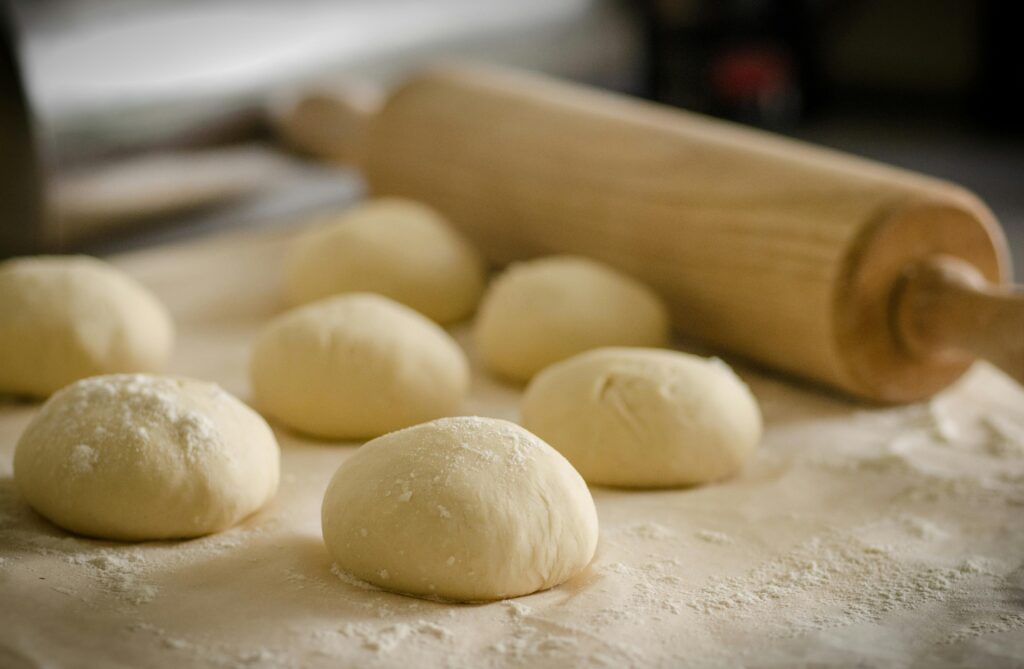
Our Bakery Enzyme Portfolio
- Fungal Alpha-Amylase
- Maltogenic Amylase
- Xylanase
- Glucose Oxidase
- Protease
- Lipase
- Glucoamylase
- Bread Enzyme Blend (refined wheat, whole wheat, multigrain)
- Biscuits and crackers Enzyme Blend
- Cakes and Specialty Bakery Enzyme Blend
- Roti / Chapati & Flatbread Enzyme Blend
- Tortilla & Wrap Enzyme Blend
- Gluten-Free Bakery Enzyme Blend
Contact us for enzyme recommendations, custom blends, technical support or pricing. Our bakery enzymes come in customizable activity levels and different packing sizes for bread plants, biscuit and cracker manufacturers, commercial bakeries, flour mills and industrial baking operations.
COA, MSDS, TDS and sample support provided.
Request a Quote Today.
Frequently Asked Questions About Bakery Enzymes
What enzymes are commonly used in bakery applications?
Commonly used bakery enzymes include alpha-amylase, maltogenic amylase, xylanase, glucose oxidase, protease, lipase, hemicellulase, and glucoamylase. These enzymes can be used individually or in combination depending on the baked product, flour characteristics, processing conditions, and desired product performance.
What are bakery enzymes used for?
Bakery enzymes are used to improve dough handling and machinability and to support loaf volume, crumb structure, softness, freshness, and overall product consistency. Different enzymes address different processing requirements and can be selected for bread, biscuits, crackers, cakes, flatbreads, tortillas, and other specialty bakery products.
What is the difference between alpha-amylase and maltogenic amylase in baking?
Alpha-amylase primarily supports starch breakdown and helps provide fermentable sugars for yeast activity, supporting loaf volume and crumb characteristics. Maltogenic amylase is mainly used to improve softness and extend freshness by helping slow starch retrogradation. The appropriate enzyme depends on the desired characteristics of the finished bakery product.
Are bakery enzymes suitable for clean-label products?
Yes. Bakery enzymes are biodegradable processing aids that are broken down during baking and are not present in their active form in the finished product. In many regions, they are therefore not required to be declared on the finished product label, making them suitable for clean-label bakery formulations.
Can bakery enzymes replace chemical dough improvers?
Yes. Bakery enzymes can help reduce or replace certain chemical dough improvers, including DATEM, ascorbic acid, potassium bromate (KBrO₃) where its use is restricted or prohibited, and azodicarbonamide. Depending on the formulation, enzyme solutions can support clean-label bakery products while maintaining desirable dough handling, loaf volume, structure, texture, and shelf life.
Can multiple enzymes be combined in a bakery formulation?
Yes. Multiple enzymes can be combined to address different aspects of dough processing and finished-product performance. Catalex Bio supplies individual bakery enzymes as well as customized multi-enzyme blends for bread, biscuits, crackers, cakes, flatbreads, tortillas, gluten-free products, and other bakery applications.
How do I select the right bakery enzyme for my application?
The right bakery enzyme depends on the type of product, flour characteristics, dough properties, processing conditions, and desired results such as volume, softness, texture, machinability, or shelf life. Share your product and processing requirements with Catalex Bio, and we can recommend a suitable enzyme or enzyme blend for evaluation.